

Translational Research in Rare Diseases
Research on rare diseases is faced with unique challenges and opportunities. Our research program combines basic science and clinical research to create and implement novel medical technologies and treatments. Our work is translational and patient-centered. Most of our research projects are inspired by patients and families we meet in the clinic. We take on areas where we see an unmet need and bring ideas from our clinical work to our laboratory (‘bedside to bench’). Vice versa, our basic science research program is targeted at understanding fundamental molecular disease mechanisms and at developing platforms for testing novel therapeutics, with the goal of ultimately implementing first-in-human and pivotal clinical studies (‘bench to bedside’). We aim to accelerate the time between laboratory research, development, and clinical application.
We study rare neurogenetic disorders in part because their cause can be defined with precision. Knowing the mutated gene – and therefore the defective or deficient protein it encodes – opens a direct path to the specific cellular abnormalities that drive dysfunction and disease. Rarity should not diminish the value of studying these conditions; it should be weighed against the considerable advantage they offer in dissecting disease pathogenesis. By identifying the earliest cellular changes – those most proximate to, and arising directly from, the protein defect – we can design more effective therapeutics. A drug that targets these initiating events can prevent the manifold downstream and collateral consequences that accumulate in the cascade underlying disease. The exemplar of such an early, targeted approach is gene replacement therapy: by supplying diseased cells with a wild-type copy of the culprit gene, it corrects the primary defect and aims to avert pathogenic effects altogether.


Creating Clinical Trial Readiness
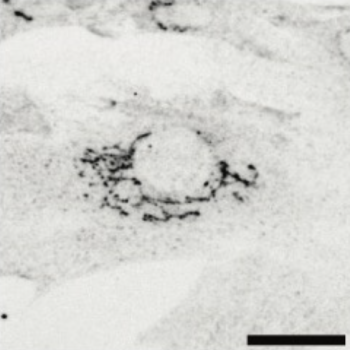
How do we create the infrastructure for first-in-human and pivotal studies in rare diseases?

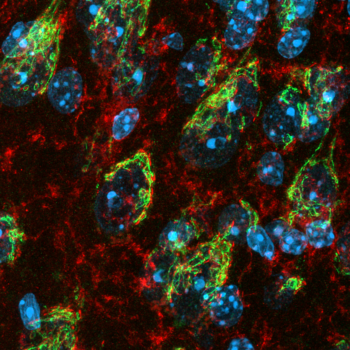
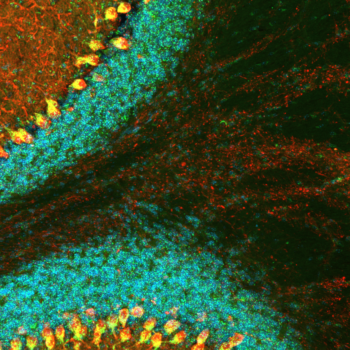
Discovering key disease mechanism
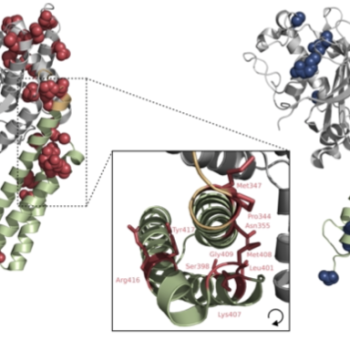
What are the molecular mechanisms that lead to hereditary spastic paraplegia?

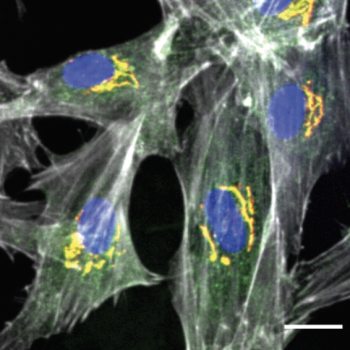
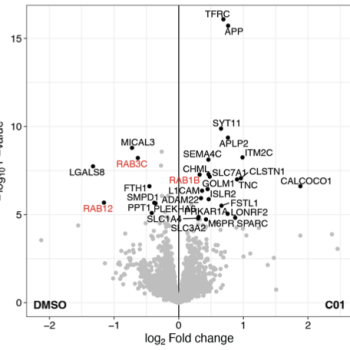
Creating a platform for novel therapeutics
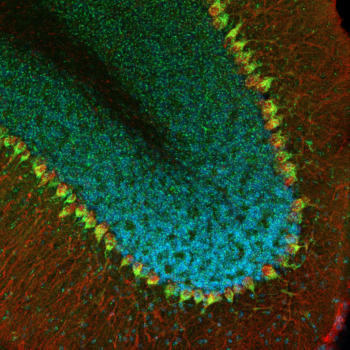
How can we leverage novel disease models and genomic tools to create therapeutics?

Conducting clinical trials
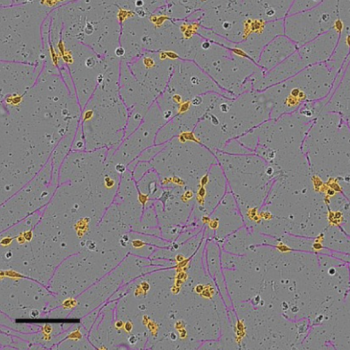
How do we design future trials for rare and ultra-rare diseases?
Ongoing Translational and Clinical Research Projects
- Natural History Study for Early-Onset Hereditary Spastic Paraplegia (HSP-NHx) NCT04712812
- Hereditary Spastic Paraplegia Genomic Sequencing Initiative (HSPseq) NCT05354622
- Spastic Paraplegia – Center of Excellence Network (SP-CERN) (NCT06553976)
- A Retrospective Survey-based Multicenter Study to Delineate the Molecular and Phenotypic Spectrum of Epilepsy-Dyskinesia Syndromes (EDS Study)
- Efficacy, Safety, and Tolerability of Valbenazine for the Treatment of Dyskinetic Cerebral Palsy (VDCP) NCT05206513
- Multi-centre Deep Brain Stimulation Registry (DBSR) NCT06585618
- DBSMatchMaker – International Clinical Network for Pediatric DBS Cases
- Registry and Natural History Study for Progressive Myoclonic Epilepsy 1A (EPM1-NHx) NCT06593951
- Registry and Natural History of Epilepsy-Dyskinesia Syndromes (PEDS-NHx) NCT06967727
Ongoing Basic and Translational Research Projects
- Comprehensive Preclinical Development of Small Molecule Modulators of Protein Trafficking to Restore AP-4 Deficiency
- Characterize Axonal Multiomic Signatures of AP-4-Deficient Neurons
- Identify and Validate Potential Disease Biomarkers of Axonal Pathology through Targeted Proteomics
- A Functional Genomics Approach to Identify Modulators of AP-4-Related Protein Trafficking
- Understanding the role of AP-4 and its cargo in early brain development
- Development of a high-throughput small molecule screen for ADCY5-related disorder