

Movement Disorders Program
Dr. Ebrahimi-Fakhari directs the Movement Disorders Program at Boston Children’s Hospital. The team at the Movement Disorders Program provides specialty care for infants, children, and adolescents with genetic and acquired movement disorders. The team includes neurologists with special training in movement disorders, genetic counselors, physical and occupational therapists, and social workers. We work together to develop a treatment plan that meets every child’s unique needs and maximizes quality of life.
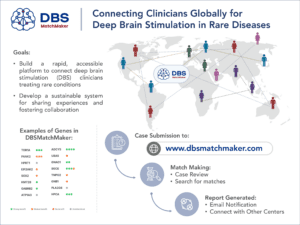
The treatment portfolio also includes specialized procedures, such as the treatment of spasticity and dystonia with botulinum toxin injections, and the treatment of dystonia and other hyperkinetic movement disorders with Deep Brain Stimulation (DBS). As part of our commitment to advancing DBS treatment globally, we have made DBSMatchMaker – a collaborative platform connecting clinicians to share expertise in treating pediatric movement disorder with DBS.
Specialists in the Movement Disorders Program lead several research programs and clinical trials that work synergistically with our clinical care. We collaborate closely with clinicians and researchers across North America and internationally.
Pediatric Movement Disorders & Neurogenetics Fellowship
The Movement Disorders Program at Boston Children’s Hospital offers a unique clinical fellowship in Pediatric Movement Disorders & Neurogenetics The goal of this clinical training program is to provide fellows with the skills to become experts in the diagnosis and treatment of pediatric movement disorders, with a particular focus on genetic movement disorders. The core component of the clinical education consists of evaluating patients in the Boston Children’s Hospital Movement Disorders Program and select clinics within the Movement Disorders Divisions at Massachusetts General Hospital and Beth Israel Deaconess Medical Center. Clinical activities are overseen by faculty with sub-specialty training in movement disorders. The program also includes training in neurogenetics, rare disease research, precision medicine approaches, and specialized techniques and procedures for movement disorders, such as deep brain stimulation and botulinum toxin injections.
We hope to train the next generation of physician-scientists in cutting edge clinical care, translational research and hope for our fellows to become leaders in the field of pediatric movement disorders.
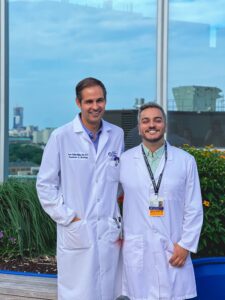
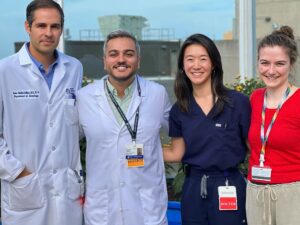
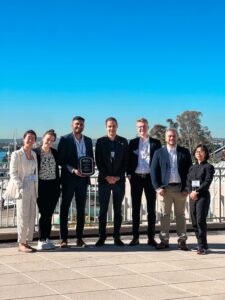
Current Fellows
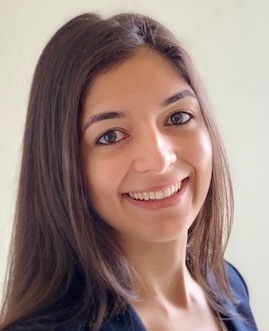
Monica Ferrer Socorro, M.D.
Residency
Child Neurology 2025
NYU Grossman School of Medicine
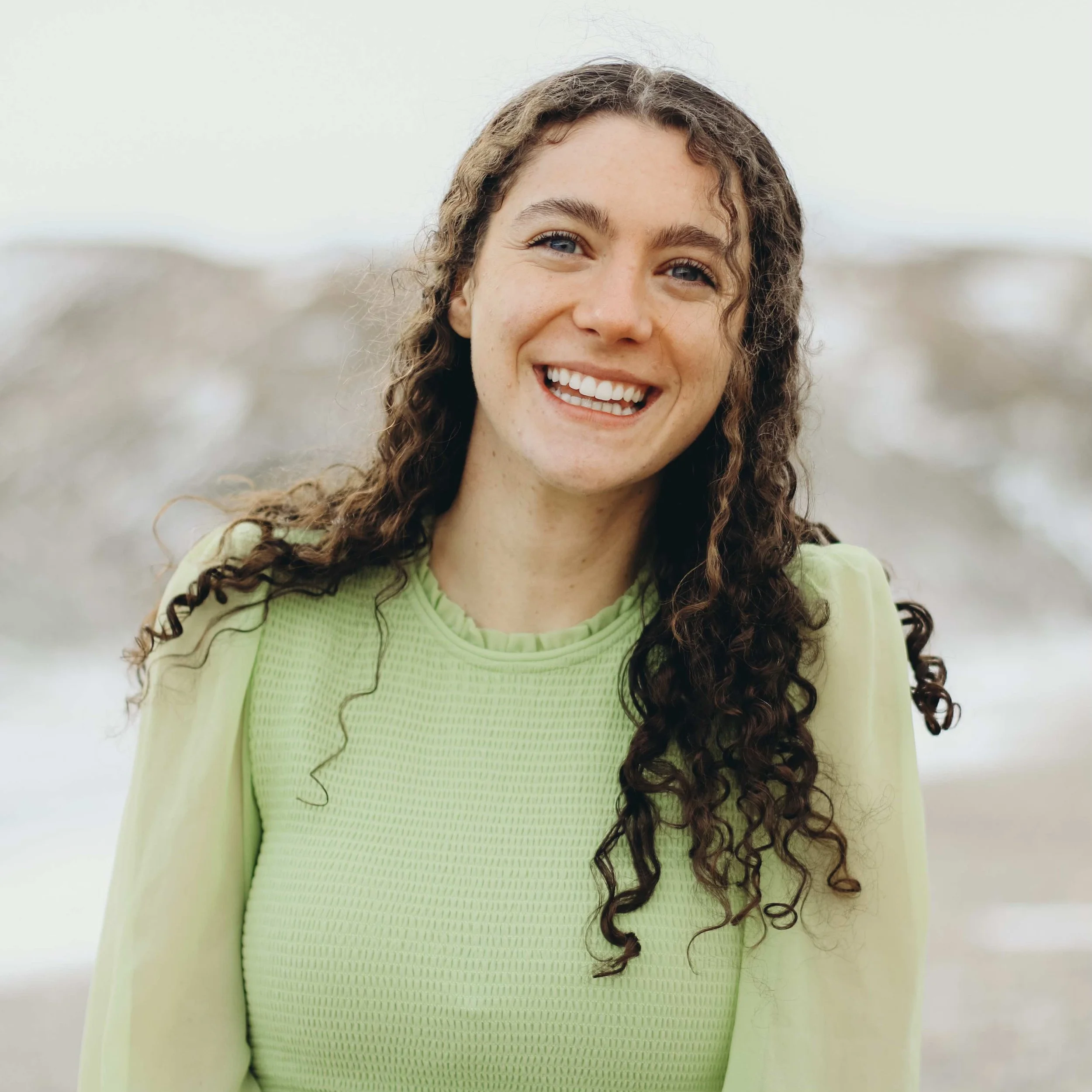
Rebecca Lindsay, M.D.
Residency
Child Neurology 2026
Alberta Children’s Hospital, University of Calgary
Alumni
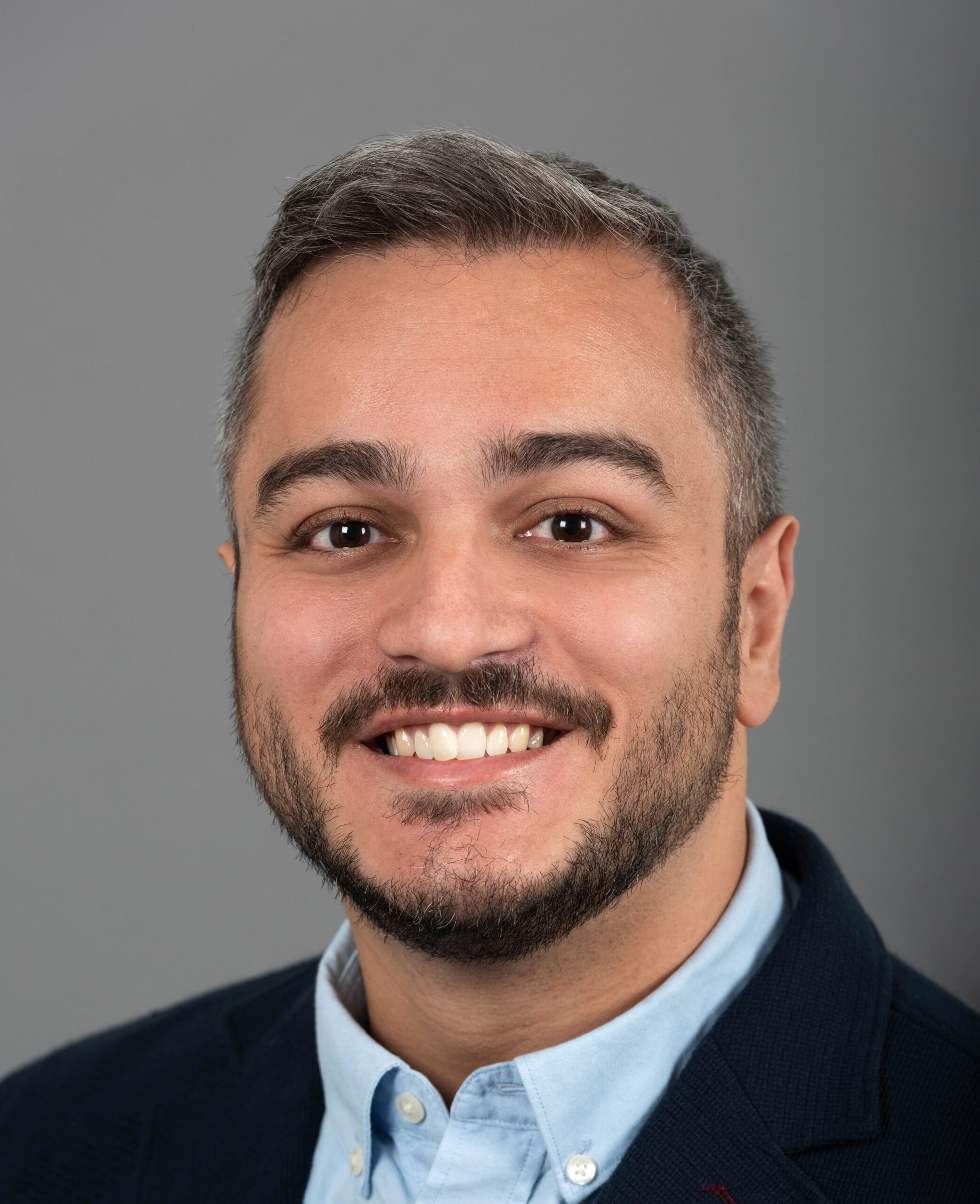
Vicente Quiroz, M.D.
Residency
Pediatric Neurology 2021
University of Valparaiso, Valparaiso, Chile
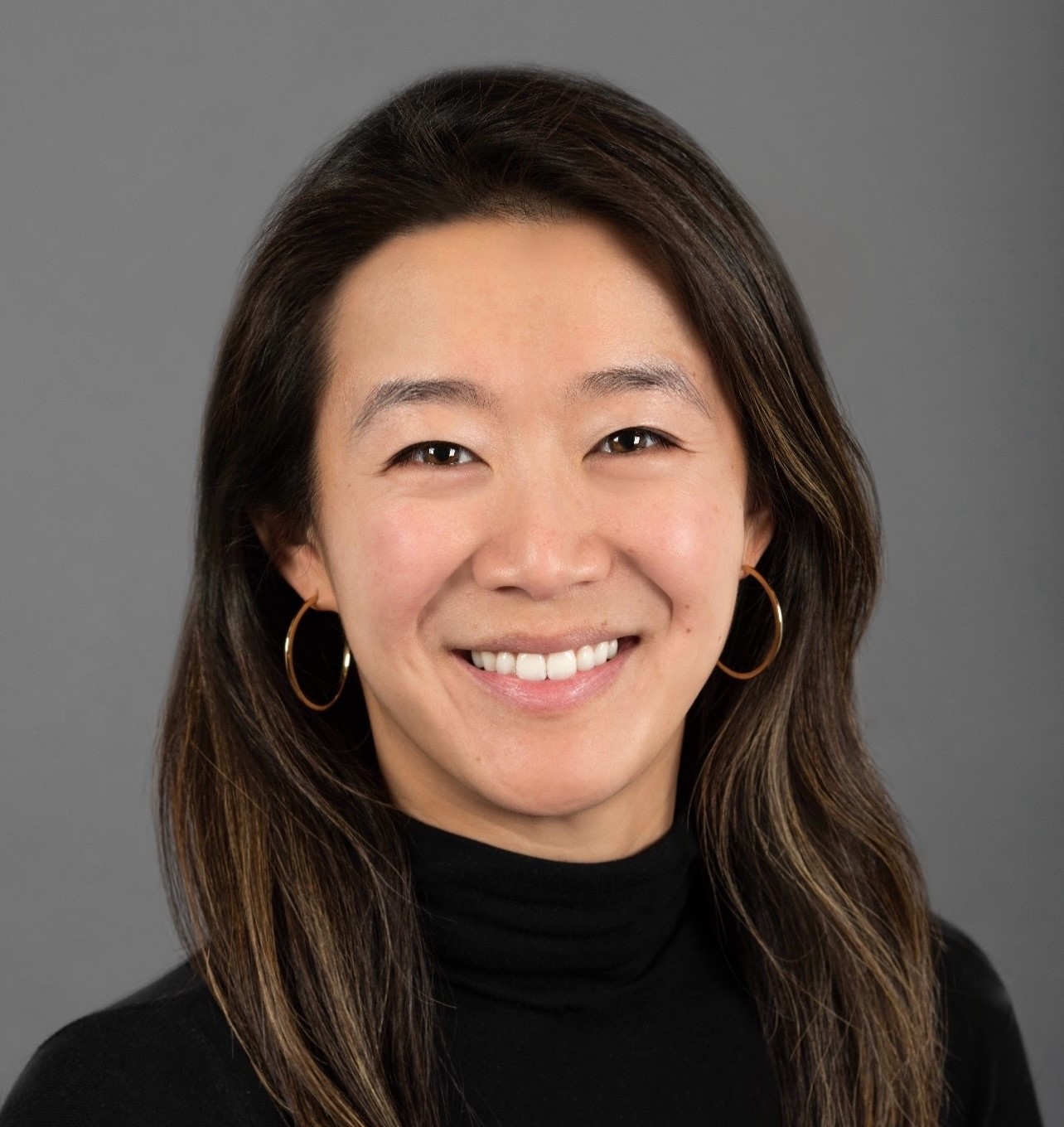
Kathryn Yang, MBChB, FRCPC
Residency
Pediatric Neurology 2023
The Hospital for Sick Children, Toronto, CA
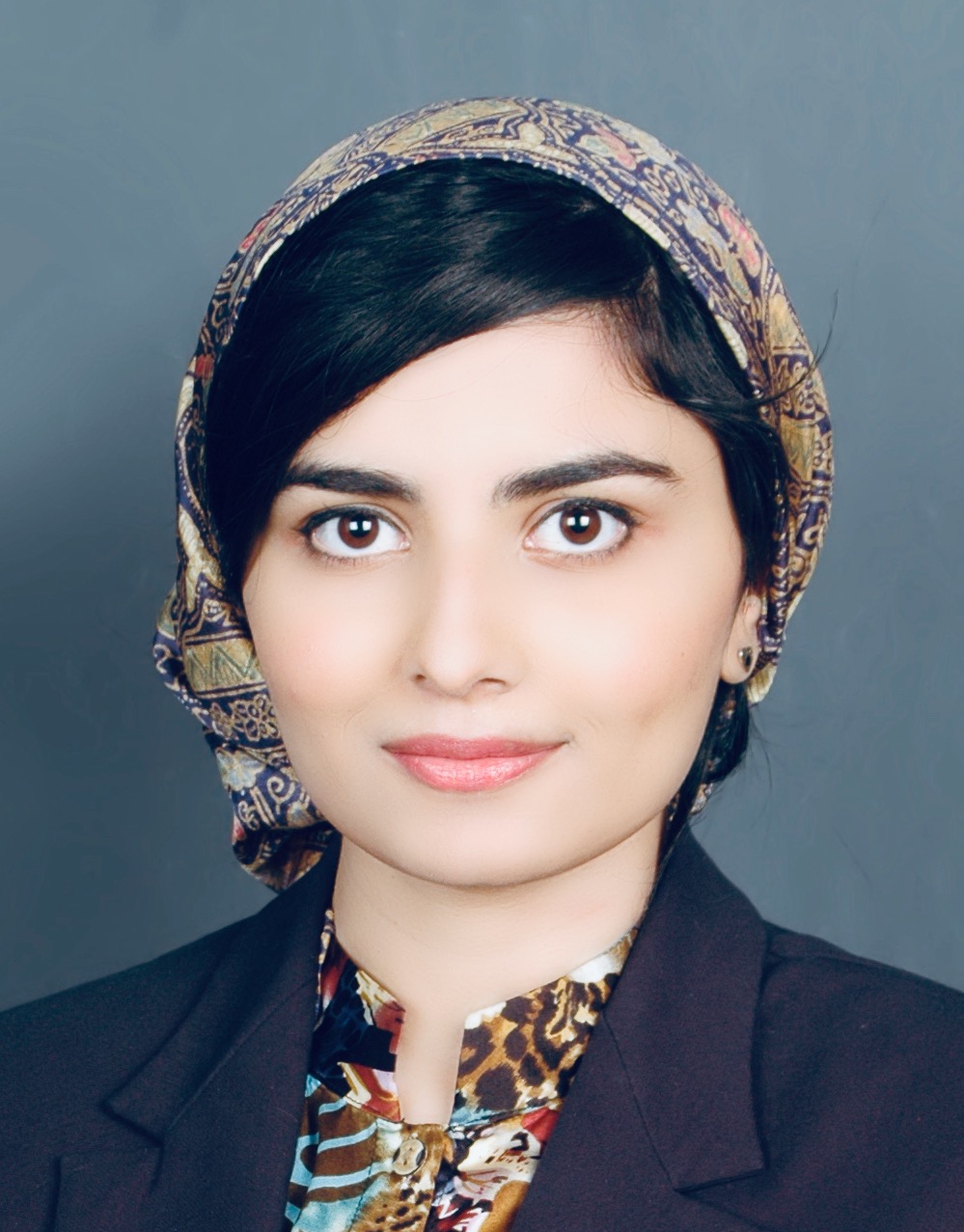
Zainab Zaman, MBBS
Residency
Child Neurology and Neurodevelopmental Disabilities 2024
Boston Children’s Hospital
For more information on applying to our fellowship program, please visit BCH’s Clinical Fellowship in Pediatric Movement Disorders & Neurogenetics page.
Educational Resources
Elective Rotations in Our Movement Disorders Program
Our program offers a limited number of short-term elective rotations to child neurology trainees, movement disorders fellows, and faculty from the United States and abroad. Rotations vary in duration and follow a structured didactic curriculum. Participants have the status of Observers and are registered with the Graduate Medical Education (GME) Office and the Department of Neurology at Boston Children’s Hospital.
All rotations are contingent upon securing sufficient self-funding and meeting the requirements for clinical observers at Boston Children’s Hospital, including completion of occupational health screening.
For inquiries about elective rotations with our program, please contact: movement.disorders@childrens.harvard.edu.
Alumni from our elective rotation program are listed below:
| Year | Name - Institution |
|---|---|
| 2026 | Ludmila Novotna, MD; 2nd Faculty of Medicine, Charles University and Motol University Hospital, Prague, Czech Republic |
| 2026 | Francesca Maria Agostina Papoff, MD; IRCCS Fondazione Stella Maris, Italy |
| 2025 | Giovana Ribeiro, MD; UNICAMP, Campinas, Brazil |
| 2025 | Nina Wilpert, MD, PhD; Berlin Charité, Germany |
| 2025 | Paulo Cataniag, MD; Makati Medical Center, Phillipines |
| 2025 | Veronica Altamiro, MD; University of Iowa, IA |
| 2025 | Asif Doja, MD; Children’s Hospital of Eastern Ontario, Canada |
| 2025 | Dimitrios I Zafeiriou, MD, PhD; Aristotle University of Thessaloniki, Greece |
| 2024 | Lindsey Vogt, MD; The Hospital for Sick Children, University of Toronto, Canada |
| 2024 | Dakota Peacock, MD; University of British Columbia, Canada |
| 2024 | Rebecca Lindsay, MD; University of Alberta, Canada |
| 2024 | Alexandra Lewinsky DeArias, DO; Yale School of Medicine, CT |
MDS-PAS Pediatric Movement Disorders Conference
The field of Pediatric Movement Disorders is advancing rapidly, driven by significant breakthroughs in genomics, gene therapy, and neuromodulation. These developments present unparalleled opportunities to enhance care for children affected by movement disorders. The first MDS-PAS Pediatric Movement Disorders Course will provide a state-of-the-art review of current practices, controversies, and active areas of research in pediatric movement disorders.
https://education.movementdisorders.org/Detail/909/MDS-PAS-Pediatric-Movement-Disorders-Conference
Multi-Institutional Pediatric Movement Seminar Series 2026-2027
This seminar series is organized between the Pediatric Movement Disorders Programs at Boston
Children’s Hospital in Boston, the Hospital for Sick Children in Toronto, Children’s National Medical Center
in Washington, D.C., Children’s Hospital of Philadelphia, and University of Rochester Medical Center.
| Date | Speaker | Topic |
|---|---|---|
| 9/24/26 | Darius Ebrahimi-Fakhari, MD, PhD (BCH) | Introduction to the classification and phenomenology of childhood-onset movement disorders |
| 10/1/26 | Laura Tochen, MD (Children’s National) | Introduction to symptomatic management of childhood-onset movement disorders |
| 10/22/26 | Carolina Gorodetsky, MD (SickKids) | Introduction to deep brain stimulation |
| 10/29/26 | Angela Hewitt, MD (University of Rochester) | Approach to childhood-onset dystonia |
| 11/5/26 | Mohammed AlQahtani, MD (BCH Fellow) | Fellow case presentation |
| 11/12/26 | Asif Doja, MD (Children’s Hospital of Eastern Ontario) | Transient and developmental movement disorders |
| 11/19/26 | Alexander Munchau, MD (Universität zu Lübeck) | An overview of the paroxysmal dyskinesias |
| 12/3/26 | Ruba Alayed, MD (SickKids Fellow) | Fellow case presentation |
| 12/10/26 | Kinga Tomczak, MD (BCH) | Evaluation and treatment of tics and Tourette syndrome |
| 12/17/26 | Kathryn Yang, MD (BCH) | Movement disorder emergencies |
| 1/7/27 | Angela Hewitt, MD (University of Rochester) | Case presentation |
| 1/14/27 | Darius Ebrahimi-Fakhari, MD, PhD (BCH) | Neuroimaging in movement disorders |
| 1/21/27 | Katerina Bernardi, MD (BCH) | Overview of epilepsy-dyskinesia syndromes |
| 1/28/27 | Speaker TBD (CHOP) | Fellow case presentation |
| 2/4/27 | Alonso Zea Vera, MD (CHOP) | Approach to childhood-onset ataxia |
| 2/18/27 | Steve Wu, MD / Don Gilbert, MD (Cincinnati Children’s) | Case presentation |
| 2/25/27 | Jenny Wilson, MD (Oregon Health & Science University) | Neurodegeneration with brain iron accumulation disorders |
| 3/4/27 | Mark Edwards, MD, PhD (King’s College London) | Functional movement disorders |
| 3/11/27 | Laura Tochen (Children’s National) | Case presentation |
| 3/25/27 | Dan Lumsden, MRCPCH (Evelina London Children’s Hospital) | Palliative care in movement disorders |
| 4/1/27 | Zainab Zaman, MD (BCH) | Botox in pediatric movement disorder practice |
| 4/22/27 | Rebecca Lindsay, MD (BCH Fellow) | Fellow case presentation |
| 4/29/27 | Darius Ebrahimi-Fakhari, MD, PhD (BCH) | Hereditary spastic paraplegias |
| 5/6/27 | Wes Northam, MD (BCH) | An approach to surgical management of spasticity |
| 5/13/27 | Speaker TBD (SickKids Fellow) | Fellow case presentation |
| 5/20/27 | Leon Dure, MD (Children’s of Alabama) | Movement disorders in juvenile Huntington’s disease |
| 5/27/27 | Anne Koy, MD (Universitätsklinikum Köln) | DBS in cerebral palsy and acquired dystonias |
| 6/3/27 | Speaker TBD (CHOP) | Case presentation |
| 6/10/27 | Jennifer Vermillion, MD (University of Rochester) | Intersection of psychiatry and movement disorders |
| 6/17/27 | Haya Alfaris, MD (King Faisal Specialist Hospital and Research) | Cases presentations from a tertiary centre in Saudi Arabia |
| 6/24/27 | Steve Wu, MD / Don Gilbert, MD (Cincinnati Children’s) | Case presentation |
2025-2026 season talks:
DBSMatchmaker
An Innovative Platform for Global Collaboration in Pediatric Movement Disorders
The Challenge
Rare genetic movement disorders are complex and often affect children, presenting significant clinical challenges. Many conditions are ultra-rare, affecting fewer than 100 individuals worldwide. While DBS has shown promising results across an expanding range of monogenic conditions, clinicians often lack comprehensive insights due to limited experience with these rare disorders.
How DBSMatchMaker Works
- Submit Cases: Clinicians submit DBS cases through our secure REDCap platform, including genetic and treatment details.
- Find Matches: Our team reviews submissions and connects centers treating similar genetic conditions.
- Collaborate: Connected centers share experiences and insights to optimize treatment approaches.
Join Our Network
Are you a clinician treating rare diseases with DBS? Join our network now:
Access DBSMatchMaker Portal
Contact
For more information about DBSMatchMaker, please contact:
movementdisorders@childrens.harvard.edu